Empowering Autistic Readers By IMPROVING Comprehension
Reading. Autism.
Although they may appear to be excellent readers, autistic individuals often need support for comprehension. Comprehension difficulties are subtle, qualitative, and difficult to tease out.
As a result, reading comprehension problems are often overlooked or unaddressed. Many autistic readers struggle in silence, starting around fourth grade.
The much-anticipated update of Emily Iland’s 2011 best-selling book answers these two key questions using the most current information available:
1. Why do many autistic readers struggle to understand what they read?
AND
2. How can we help?


Emily Iland, MA
Author, Drawing a Blank
Drawing A Blank explores these topics in detail:
01.
Understanding Autism and Hyperlexia
The discussion includes a new and perhaps surprising definition of hyperlexia as poor comprehension in good decoders with autism. The connection between autism and hyperlexia helps explain the unique learning needs of many autistic individuals.

02.
Social-Communication, Behavioral and Sensory Features
DaB explores how social-communication and behavioral traits of autism affect reading comprehension. The book highlights traits associated with autism (such as attention and organizational skills) that can impact understanding.

03.
Specific Reading Comprehension Challenges
At least 40 types of comprehension breakdown have been identified in research literature. Autistic readers may face difficulties including literal interpretation of language, limited vocabulary, and challenges with higher-order thinking skills (including inference, summarization, and understanding narratives). It’s essential to identify specific obstacles to address them effectively.

04.
Assessment and Identification
DaB provides guidance to identify and assess comprehension issues in autistic readers,
including formal and informal methods. The information can be used to tailor interventions to address specific needs.

05.
Evidence-Based and Promising Practices for Improving Comprehension
DaB discusses a variety of interventions and teaching strategies. These include direct explicit instruction, reciprocal teaching, graphic organizers, metacognitive strategies, and computer-assisted instruction to support reading comprehension in autistic readers.

06.
Vocabulary Development
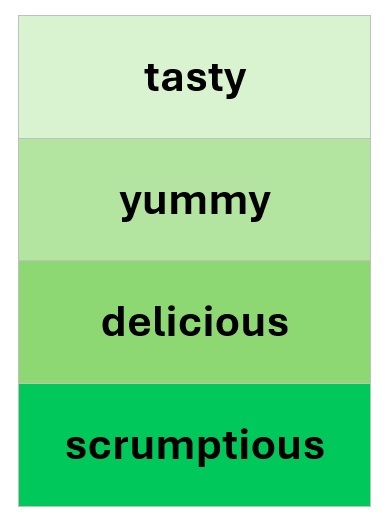
DaB provides practical strategies for teaching vocabulary, including using synonyms, electronic dictionaries, visual aids, and teaching word elements like prefixes and suffixes.
07.
Innovative Teaching Methods
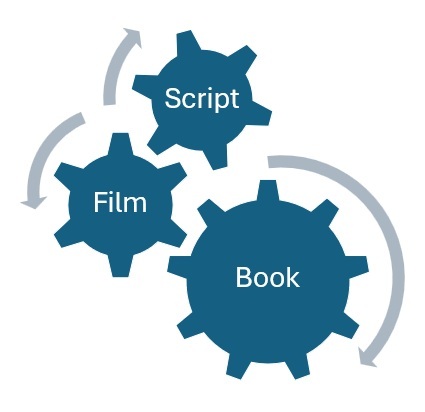
DaB offers creative approaches to teaching comprehension skills, such as using films, scripts, audio books, hands-on activities, and visualization techniques.

What Our Readers Say